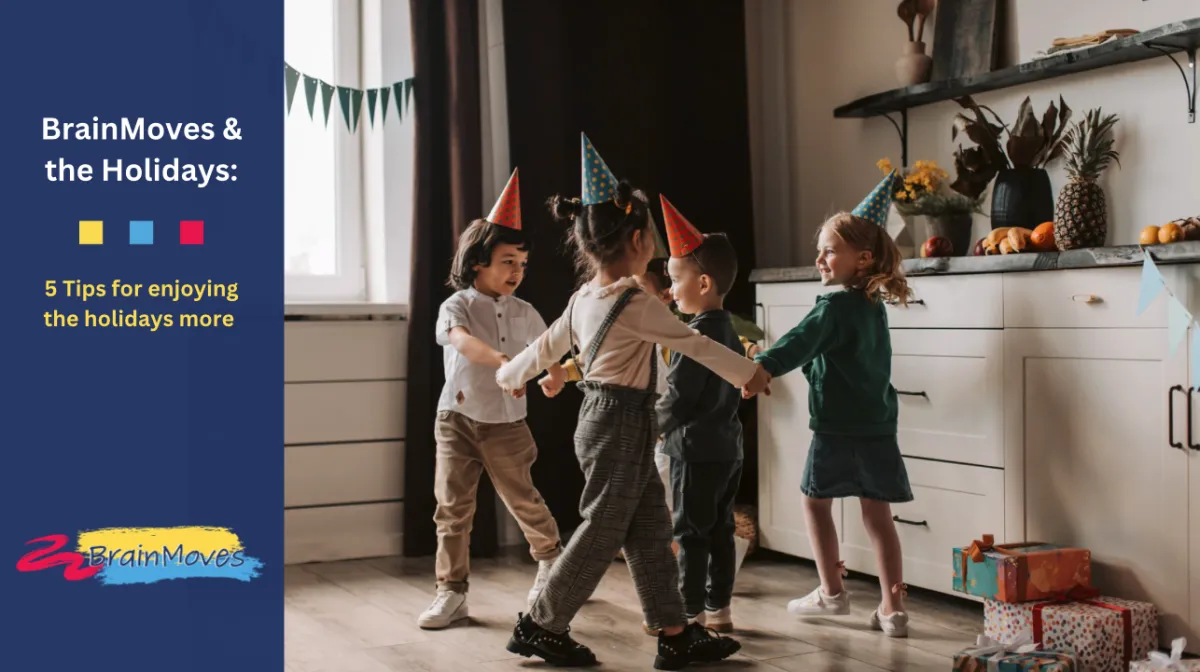
BrainMoves and the Holidays
 by: Elizabeth HummelPublished on: 10/12/2025
The Holidays are full of delights and dramas. Schedules are upended, family and friends visit and are welcomed. School days are filled with holiday events and over-stimulated, sugar-filled kids. The holidays affect EVERYTHING: schedules, food, sleep, work, and playtime. You may also find yourselves visiting people more often, resulting in more waking and active hours. When you’re an adult, you can clearly communicate your schedules and anticipate upcoming events. However, when you’re a child, you are responsive to the decisions of adults. If your child also has hyperactivity, attention deficit, or sensory sensitivities, it can be an especially overstimulating time of year, no matter how much you love the candy, the lights, the presents, and all of that shiny stuff. Here are a couple of tips to help everyone—neurodiverse people, young and old, children, mothers, fathers, and anyone who’s going to experience the holiday season...
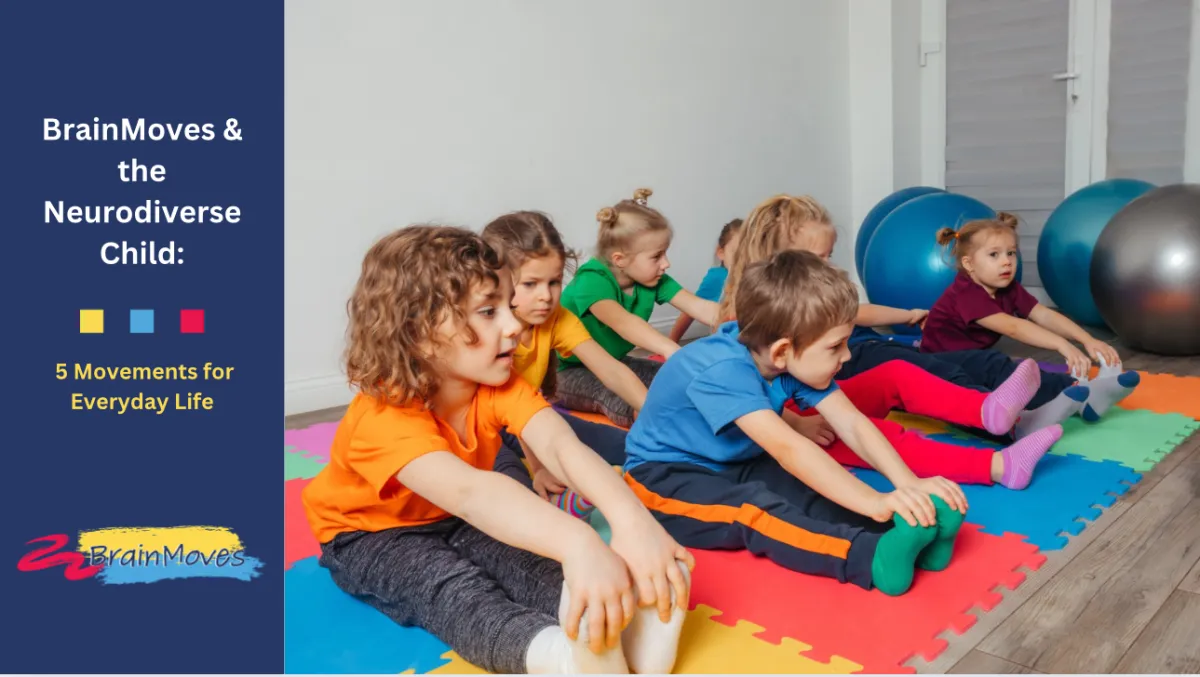
BrainMoves and the Neurodiverse Child: 5 Movements for Everyday Life
 by: Diane MalikPublished on: 10/12/2025
In our periodic series about how to use BrainMoves in real life, I’d like to share an example. Over the next few months, I’ve decided to give examples of how I think about using BrainMoves to help different types of students and learners. As you may recall from earlier classes and posts, I work with a variety of different populations. With my elementary-aged students, I often see individuals with unidentified learning differences and/or behavioral challenges. Often, they’re in my afterschool program because they have concerned or engaged parents who want to make sure that they’re providing the best for their child, no matter how their brains are wired. They understand that enrichment programs like STEM, afterschool cooking, or physical activity will help their child integrate what they have learned and be calmer. This is true because it’s based upon the same principle that BrainMoves movements are based upon: Movement and engagement are what our bodies are designed to do.
Freeze, Flight or Fight? How BrainMoves can help you and your family get unstuck
by: Diane MalikPublished on: 27/10/2025We often hear about the fight or flight response in popular psychology, and we're increasingly aware of how long-term stress impacts our physical and mental health. Yet, identifying chronic stressors isn't always straightforward. While unmet basic needs like food and safety are obvious stressors, subtler threats also exist. For example, living in a hurricane-prone area requires constant vigilance, a stress recognized by the entire community. Equally troubling to families are less visible threats such as economic instability, fears of climate change, and political upheaval. Although we may think we're coping, we often find ourselves shutting down as a defense mechanism. The COVID pandemic introduced additional stressors: inflation, concerns about foreign conflicts, and the rising costs of essentials like insurance and groceries, all amidst a volatile job market. In such times, stress is present for children and adults alike, affecting entire families.
BrainMoves in Action: Movement & Neurodiversity
by: Elizabeth HummelPublished on: 16/10/2025It’s estimated that one in five individuals has some form of neurodiversity, and as general population awareness of diversity grows, accommodations, techniques, and lifestyle choices that help people with diverse brains flourish become increasingly important. Often, clients come to psychotherapist and founder of BrainMoves, LLC, Diane Malik, MA, with children who are showing signs and symptoms of what might be later diagnosed as ADHD, Autism, or OCD. From Diane’s perspective, many of these symptoms are signs of dysregulation in the brain and body that are out of balance, whether that's innate, temporary or permanent. While these traits are not signs that a person needs to be or even can be “cured,” often the adult or child is seeking help because the current coping mechanisms and stress level are unacceptable and it is affecting school, work, and their home life.