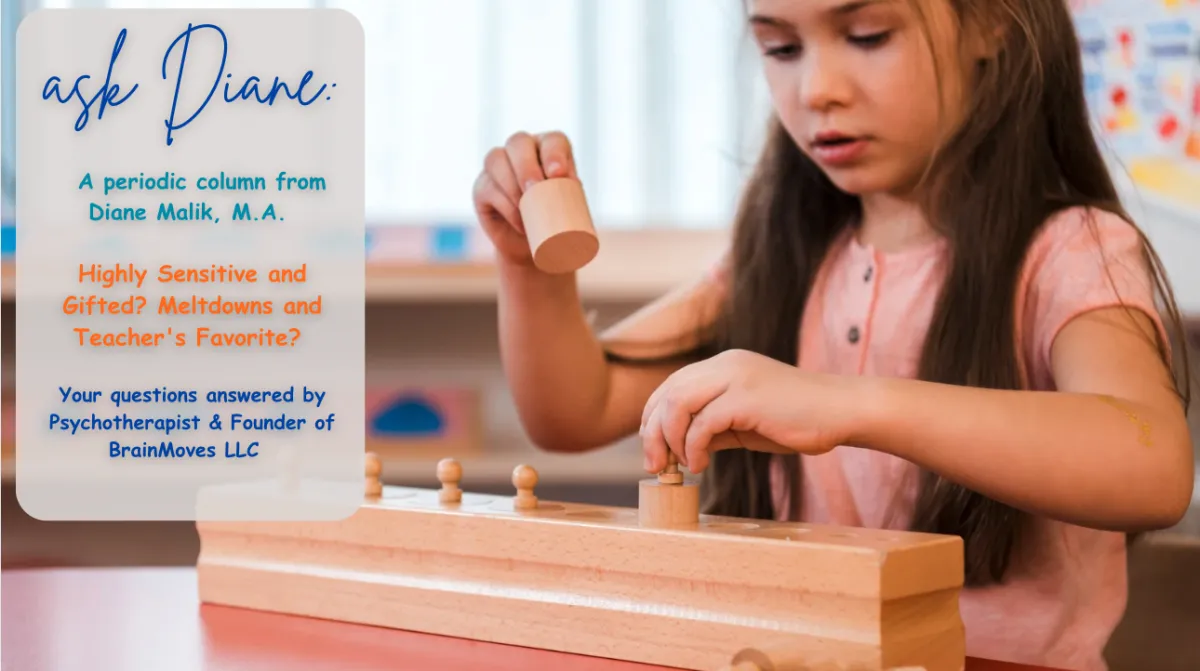
Highly Sensitive and Gifted? Meltdowns and Teacher's Favorite?
 by: Diane MalikPublished on: 07/01/2026
I have never emailed in to an advice column before, but after reading your blogs for the past year, I thought you might be the best person to ask this question, as it’s a bit odd. My daughter has me so stressed out. I am questioning if I am still a good parent. She is both the “best” and the “worst” in the class in terms of her behavior and I don’t understand why! I’m the mother of three children: A 22-year-old boy and two preschool-aged twin girls. The twin girls were not planned, but my husband and I are delighted to have the opportunity to have girls, and twins at that. Maya and Maria are both amazing and delightful—they’re bright, curious, and completely charming. However, I feel they are significantly harder to parent than my son. My son, George, was like any other preschooler. George would have days when he was delighted to go to school and days when he wasn’t, but he would generally hop out of the car and race to the playground to play with his friends. I often had to chase after him to bring him his coat and his snack. He was outgoing, social, and engaged.
Looking Forward: Desires, Goals and helping Children Succeed with BrainMoves
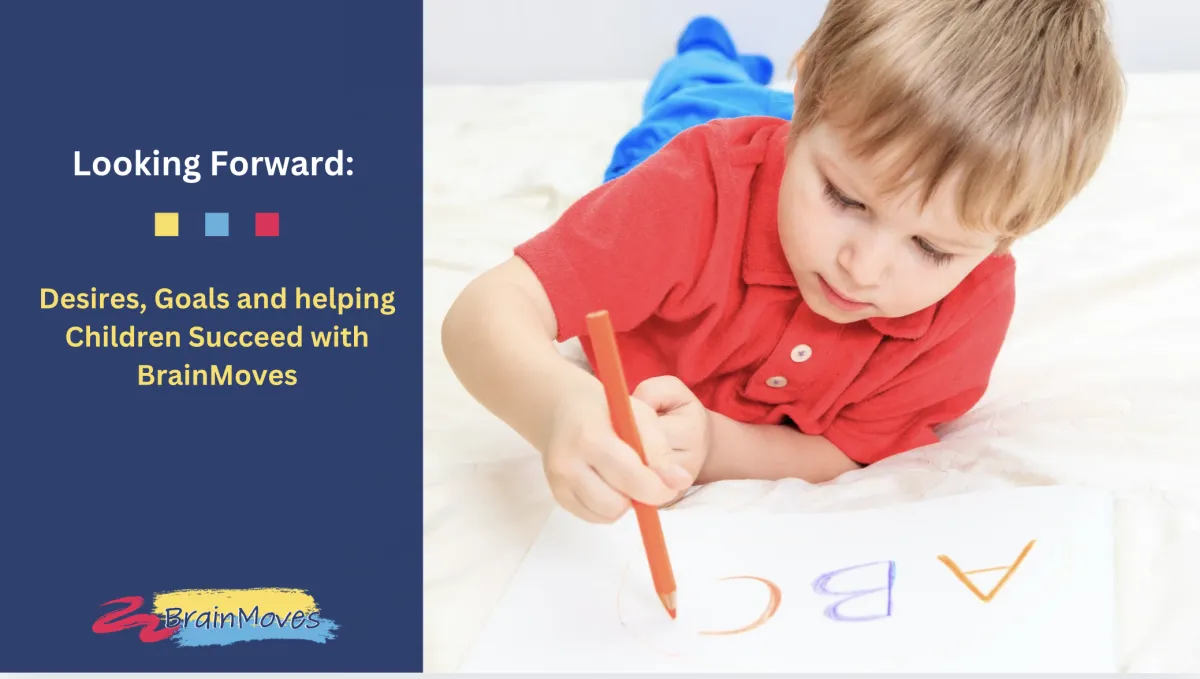
by: Diane MalikPublished on: 01/01/2026Today, we're going to talk about behavior improvement and resolutions. It seems like a great topic for a 2026 blog post. The very formal idea of New Year’s resolutions can be either positive or negative for adults. Some people treat resolutions with perfectionism, only to feel the side effects of not achieving sometimes unreasonable goals. Others are energized and focused by the idea of having two or three things upon which to concentrate their energy. Both of these are very adult understandings of resolutions. Yet we also have things we’d like to see improve for the young people in our lives, so this seems like a good time to talk about resolutions or goals for preschoolers and kindergartners and how they relate to BrainMoves.
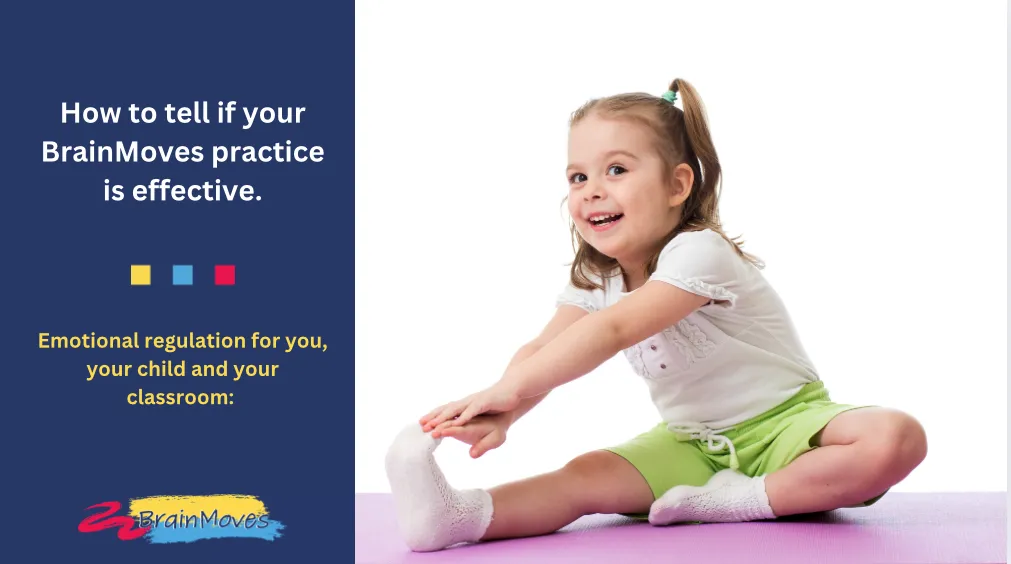
Emotional regulation for you, your child and your classroom: How to tell if your BrainMoves practice is effective
by: Diane MalikPublished on: 20/12/2025Today, we will take a dive into emotional regulation and how to determine if someone is emotionally regulated or simply shut down. We will define what a regulated individual looks like and discuss how to measure somatic regulation before and after doing a BrainMoves movement. Let’s start by defining what emotional regulation looks like. Is a regulated individual someone who doesn't feel emotions strongly? Can a regulated individual have outbursts of excitement or strong feelings? To be emotionally regulated is not to be devoid of feeling, but rather to experience a balanced range of emotions.
BrainMoves and the Holidays
 by: Elizabeth HummelPublished on: 10/12/2025
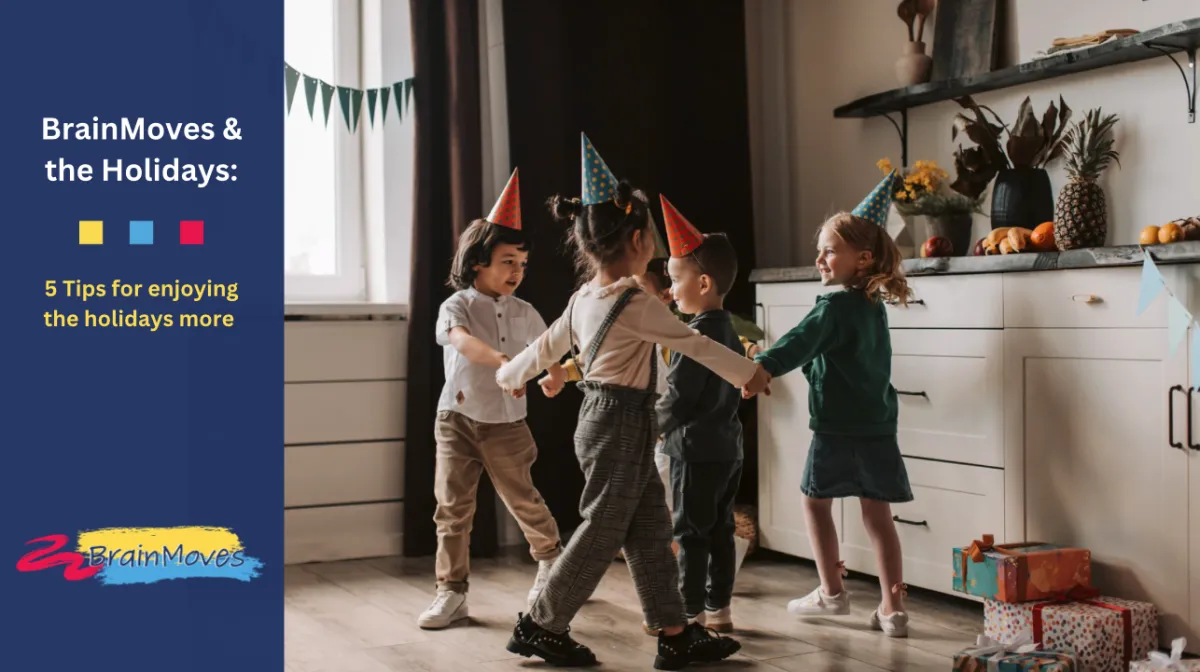
The Holidays are full of delights and dramas. Schedules are upended, family and friends visit and are welcomed. School days are filled with holiday events and over-stimulated, sugar-filled kids. The holidays affect EVERYTHING: schedules, food, sleep, work, and playtime. You may also find yourselves visiting people more often, resulting in more waking and active hours. When you’re an adult, you can clearly communicate your schedules and anticipate upcoming events. However, when you’re a child, you are responsive to the decisions of adults. If your child also has hyperactivity, attention deficit, or sensory sensitivities, it can be an especially overstimulating time of year, no matter how much you love the candy, the lights, the presents, and all of that shiny stuff. Here are a couple of tips to help everyone—neurodiverse people, young and old, children, mothers, fathers, and anyone who’s going to experience the holiday season...